
How to Build Your Own Online Entertainment Platform in 7 Days
In today’s rapidly evolving digital economy, online entertainment platforms have become one of the fastest-growing sectors in the global internet industry. More and more entrepreneurs, investors, and traditional business operators are exploring how to enter this market quickly. The emergence of the white-label (turnkey) solution model (包网) has significantly lowered the technical barriers, making this once highly complex industry more accessible than ever. For those looking to launch a platform quickly, building an online entertainment platform within 7 days is no longer a fantasy, but a proven and replicable approach.
To understand how to achieve this within 7 days, it is essential to grasp one key concept: you are not building from scratch, but leveraging a mature white-label solution for rapid deployment. The essence of this model is that a professional provider offers a complete system architecture, game integrations, payment channels, and technical support, allowing you to focus on branding, marketing, and operations. This approach eliminates the most time-consuming development phase, reducing the launch timeline from several months or even a year to just a few days.
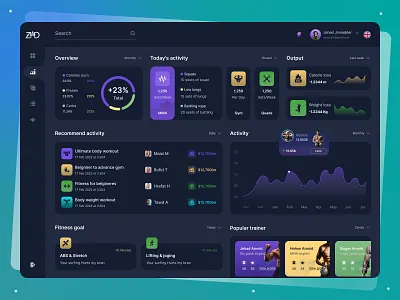
The first phase typically takes place on Day 1 to Day 2. The core task during this stage is defining your direction and selecting a reliable white-label provider. Many failures occur not due to lack of execution, but because of choosing the wrong partner at the beginning. A high-quality provider must offer a stable system, diverse game integrations, a reliable payment infrastructure, and ongoing technical support. Additionally, it is crucial to evaluate whether the system supports multiple languages, multiple currencies, and global deployment capabilities, as these factors will directly impact your future scalability.
At this stage, you should also establish your brand positioning, including your platform name, target market, user demographic, and operational strategy. For example, will you focus on high-end VIP users or mass-market entertainment? Will your primary market be Southeast Asia, the Middle East, or Latin America? These decisions will influence your UI design, payment setup, and marketing strategy.
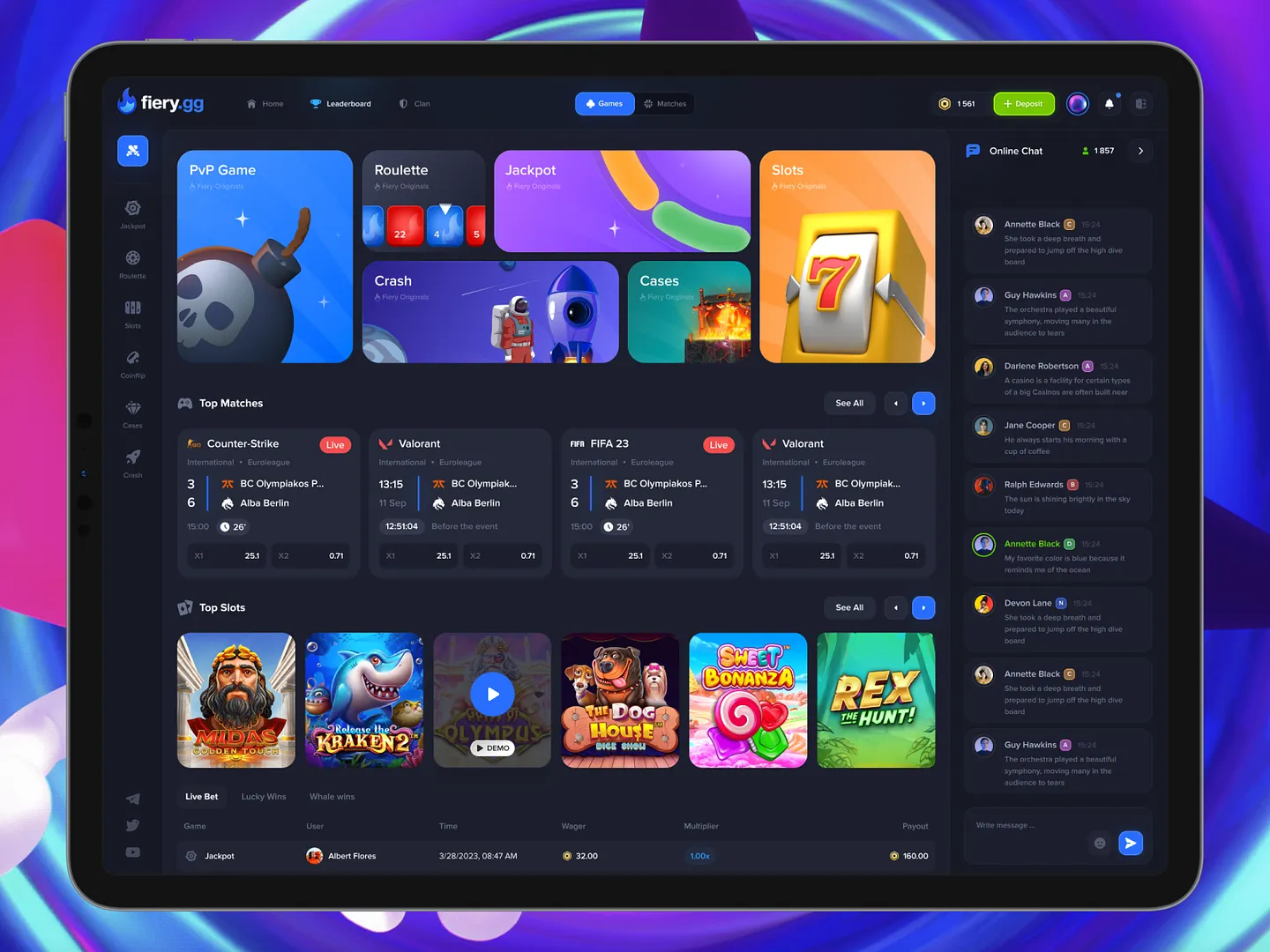
The second phase generally occurs between Day 2 and Day 3, focusing on the basic setup of the platform. This is where the advantages of the white-label model become clear. The provider will supply a ready-made backend system and frontend templates, and you only need to perform basic configurations. This includes domain binding, server deployment, backend access setup, and system parameter adjustments. With technical support, these tasks can be completed efficiently.
At the same time, you need to prepare your payment system. Payments are the lifeline of any platform—without stable deposit and withdrawal channels, operations cannot function. A strong white-label solution typically integrates multiple payment options, including bank transfers, e-wallets, and cryptocurrencies. You must select suitable payment methods based on your target market and ensure both security and efficiency in fund transactions.
The third phase, from Day 3 to Day 6, focuses on platform optimization and content completion. Although the system is already set up, numerous refinements are required before launch. This includes frontend UI optimization, user experience improvements, game categorization, and promotional module configuration. A successful platform is not just functionally complete—it must also deliver a smooth and engaging user experience.
During this stage, you should also upload essential content such as platform introductions, rules, and promotional announcements. Testing must be conducted simultaneously, including user registration, deposit and withdrawal processes, and game performance. Any overlooked issue can be amplified after launch and negatively impact user trust.
Additionally, you can begin setting up an affiliate system. Affiliate marketing is one of the most effective ways to rapidly acquire users. By offering commission-based incentives, you can attract promoters and achieve rapid traffic growth. Most white-label systems already include built-in affiliate features, allowing you to configure commission structures easily.
The fourth phase, from Day 6 to Day 7, is focused on final launch preparation and marketing execution. At this point, the platform is technically ready, and attention should shift to user acquisition. Without traffic, even the best platform cannot generate revenue.
Marketing strategies can include SEO, social media promotion, paid advertising, influencer collaborations, and affiliate marketing. For newly launched platforms, it is recommended to focus on targeted channels rather than spending heavily without direction. Content marketing and community building are effective ways to attract initial users.
At the same time, a customer support system must be established. Users will inevitably encounter issues, and without timely assistance, they may leave the platform. Professional white-label solutions often include multilingual customer support systems, which can significantly enhance user satisfaction.
Throughout the 7-day process, several key factors determine success. The first is selecting the right white-label provider, the second is ensuring payment system stability, and the third is executing an effective marketing strategy. Many people assume that the biggest challenge is technology, but in reality, the true difficulty lies in operations and traffic acquisition.
From a cost perspective, the white-label model offers significant advantages. Traditional in-house development requires substantial time and manpower investment, whereas white-label solutions greatly reduce initial costs, allowing more resources to be allocated to marketing. This is especially beneficial for small and medium-sized teams.
From a risk management perspective, white-label solutions are also more secure. Mature systems have been tested in the market, offering higher stability and security. Providers also handle ongoing maintenance and updates, minimizing technical risks.
Looking ahead, as competition intensifies, the white-label model continues to evolve. It has progressed from simple template-based systems to highly customizable platforms with advanced features such as data analytics and AI-driven recommendations. It is expected that white-label solutions will become not just a tool, but a fundamental infrastructure of the industry.
For those looking to enter the online entertainment industry, building a platform within 7 days is no longer the challenge. The real question is whether you can seize the opportunity and execute effectively. While the white-label model lowers the barrier to entry, success still depends on operational expertise, market insight, and long-term commitment.
In conclusion, using a white-label solution to build an online entertainment platform enables rapid deployment, lower costs, and sustainable growth. With clear planning, the right partner, proper system setup, and effective marketing execution, launching a platform within 7 days is entirely achievable. For those aiming to capitalize on this growing industry, now is the best time to get started.